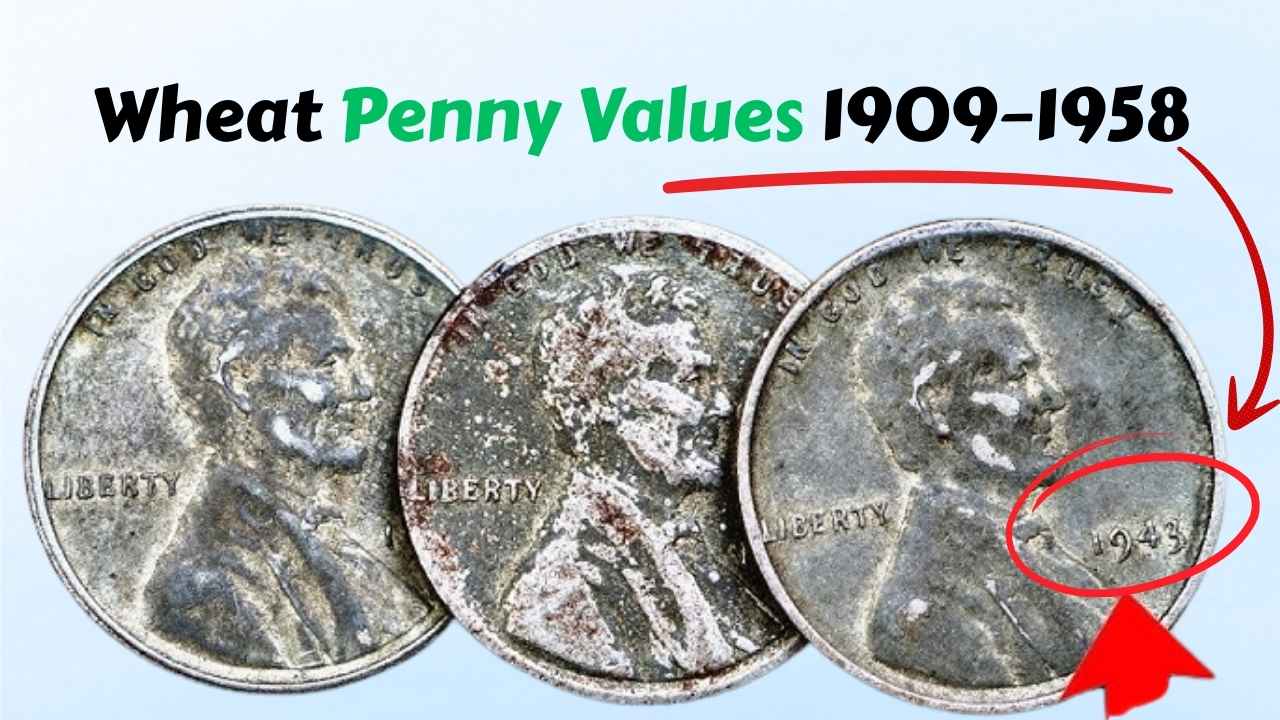
Wheat Penny Values 1909–1958: The Wheat Penny, a classic piece of American numismatic history, has captivated collectors and enthusiasts for over a century. These coins, which were minted from 1909 to 1958, are iconic for their distinctive design featuring two stalks of wheat on the reverse side. While they may seem like a relic of the past, the value of wheat pennies varies significantly depending on factors such as year, mint mark, and condition. This article will explore the value range of wheat pennies from 1909 to 1958, shedding light on key factors that influence their worth and offering guidance for collectors.
The Origin of the Wheat Penny
The Wheat Penny was introduced in 1909 to mark the 100th anniversary of Abraham Lincoln’s birth. Designed by Victor David Brenner, the coin featured an obverse with a portrait of Lincoln, while the reverse displayed two stalks of wheat. The coin was minted in both Philadelphia and, later, at various other minting facilities, which significantly impacts its value.
Wheat pennies were produced in vast quantities during their run, but over time, certain years and mint marks have become rarer and more sought after. Whether you are a seasoned collector or a casual enthusiast, understanding the factors that contribute to the value of these coins is essential.
Factors Influencing Wheat Penny Values
Several key factors determine the value of a wheat penny. These include the year of minting, the mint mark, the coin’s condition, and its rarity. Collectors often focus on these aspects to assess whether a specific wheat penny is worth more than its face value.
1. Year of Minting
The year in which a wheat penny was minted plays a crucial role in determining its value. While most wheat pennies from the early 20th century are relatively common, some years saw lower mintage numbers, making those coins more valuable. For example, pennies minted in 1909 and 1914 are particularly valuable to collectors.
2. Mint Mark
The mint mark indicates the location where the coin was produced. For wheat pennies, there are three primary mint marks to consider:

- No Mint Mark: Coins minted at the Philadelphia Mint have no mint mark, which is important to note for some years, as these are often rarer than their counterparts minted elsewhere.
- D (Denver): The Denver Mint produced many wheat pennies, especially in the 1920s and 1930s. These coins tend to have a higher circulation, which can influence their value.
- S (San Francisco): Coins minted at the San Francisco Mint are often considered rare, and many of these pennies are highly sought after by collectors.
3. Condition and Grade
The condition or grade of a wheat penny has a significant impact on its value. Coins are typically graded using the Sheldon scale, which ranges from 1 (poor) to 70 (perfect). The higher the grade, the more valuable the coin is. A penny that is in good condition, with sharp details and minimal wear, will generally fetch a higher price than one that is worn down or damaged.
Common grades for wheat pennies include:
- Good (G): Coins with noticeable wear, but the details are still visible.
- Very Fine (VF): Coins that show light wear but have clear features.
- Uncirculated (MS60 and above): Coins that show no signs of wear and retain full original details.
Coins in pristine condition or with unique characteristics such as a rare die variety are often the most valuable.
4. Rarity
Some wheat pennies are rarer than others due to their low mintage numbers, historical significance, or errors made during production. For instance, the 1909-S VDB penny is one of the most famous and valuable wheat pennies, due to its low mintage and the controversial placement of the designer’s initials (VDB) on the reverse.
Wheat Penny Value Chart (1909–1958)
Below is a general price guide for common wheat pennies, but remember that prices fluctuate based on factors such as condition and demand. This chart offers an overview of typical values for well-circulated coins in average condition.
| Year | Value Range |
|---|---|
| 1909 | $1.00–$10.00 |
| 1909-S | $15.00–$100.00 |
| 1910 | $0.10–$1.00 |
| 1914 | $1.00–$30.00 |
| 1914-D | $100.00–$500.00 |
| 1922-D | $75.00–$200.00 |
| 1931-S | $5.00–$25.00 |
| 1943 (Steel) | $0.10–$1.00 |
| 1955 Doubled Die | $300.00–$1,000.00 |
Note: These values are approximate and reflect well-circulated examples. Coins in higher grades, or those with errors, can be worth significantly more.

Popular Wheat Pennies to Look For
Among the vast number of wheat pennies minted, some are particularly popular and highly valued among collectors. Here are a few of the most sought-after:
1. 1909-S VDB
This coin is one of the most famous in American numismatics. The “VDB” initials stand for Victor David Brenner, the designer of the coin. The 1909-S VDB penny was only minted in limited numbers, making it highly valuable to collectors. Depending on its condition, a 1909-S VDB can be worth anywhere from several hundred to thousands of dollars.
2. 1914-D
The 1914-D is another rare and valuable wheat penny. It is highly coveted due to its low mintage and scarcity, particularly in higher grades. A well-preserved example of this coin can fetch hundreds or even thousands of dollars at auction.
3. 1955 Doubled Die Obverse
The 1955 Doubled Die is another notable error coin that has become legendary in the world of numismatics. The doubling effect on the obverse of the coin (particularly visible in the date) makes it easily recognizable. Coins with this error in uncirculated condition can command prices well above $1,000.
How to Buy and Sell Wheat Pennies
If you’re interested in acquiring or selling wheat pennies, it’s important to do so through reputable sources. Consider visiting numismatic shops, attending coin shows, or consulting with a trusted coin dealer. When selling, ensure your coins are properly graded and appraised to secure the best price.
If you’re just starting as a collector, it’s wise to focus on building a collection of well-preserved coins from different years and mint marks. As your collection grows, you may encounter rare coins that offer significant value.
Conclusion
Wheat pennies remain a popular and exciting area of coin collecting. From their historical significance to the thrill of finding a rare, valuable coin, there’s no shortage of reasons why these pennies have become an enduring part of American numismatic culture. Whether you’re collecting them for fun or as an investment, knowing the value of each penny and the factors that influence their worth is essential for any enthusiast.
Disclaimer
The information provided in this article is for general informational purposes only. Coin values are subject to change and can vary depending on market conditions, collector demand, and individual coin grading. The prices mentioned in this guide are approximate and based on current trends at the time of writing. Always consult a professional numismatist or coin dealer for accurate appraisals and to obtain the most up-to-date values for specific coins.