
Rare Wheat Penny Values 1909–1958: The Lincoln Wheat penny, minted from 1909 to 1958, is one of the most beloved American coins among collectors. Its simple wheat-ear reverse design represents an era when coinage carried both artistic detail and historic meaning. Today, these pennies remain highly collectible, with certain rare examples selling for impressive amounts. Understanding the key dates, mint marks, and error varieties helps collectors identify which Wheat pennies hold real value.
What makes Wheat pennies special is the variety within the series. Some years saw extremely low mintages, while others produced striking errors or unique metal compositions that are now prized by collectors. Even heavily circulated pieces can hold value if they come from scarce years. With basic knowledge and careful searching, anyone can discover rare Wheat pennies hiding in old jars, family collections, or estate boxes.
History of the Wheat Penny
The Wheat penny made its debut in 1909 to commemorate the hundredth anniversary of Abraham Lincoln’s birth. Designed by Victor David Brenner, it became the first regularly circulating U.S. coin to feature a real historical individual. His portrait of Lincoln appears on the obverse, while the reverse displays two wheat stalks framing the words One Cent. This design remained in use for almost fifty years until 1959, when it was replaced by the Lincoln Memorial reverse.
The early years of the series include several iconic rarities, such as the 1909-S VDB and the scarce 1914-D. As the production facilities expanded, pennies were minted at Philadelphia, Denver, and San Francisco, each producing different quantities. This naturally created years and mint marks that are significantly harder to find today.
Key Wheat Penny Varieties and Mint Marks
Wheat pennies were produced at three main mints. Philadelphia coins carry no mint mark, Denver coins use a D, and San Francisco coins use an S. The mint mark is located just below the year on the front of the coin.
These mint marks make a major difference in value. For instance, a 1911 penny from Philadelphia is fairly common, while a 1911-S is far scarcer and worth much more. Collectors pay special attention to early San Francisco and Denver mint coins, as many were struck in far smaller numbers compared to Philadelphia issues.
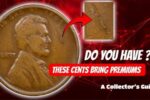
In addition to mint marks, Wheat pennies include some remarkable varieties. Double die errors, repunched mint marks, and off-metal strikes are among the most collectible. These varieties often bring higher premiums because they were produced in very small quantities and stand out visually.
Rare Wheat Penny Values: Easy Price Chart
The following list highlights important rare Wheat pennies and general value ranges. Actual prices depend on condition and demand but these estimates provide an easy reference.

- 1909-S VDB: $700 to over $4,000 depending on grade
- 1909-S (no VDB): $100 to $600
- 1911-S: $40 to $200
- 1914-D: $250 to more than $3,000 for high grades
- 1922 No D: $500 to several thousand dollars depending on clarity
- 1931-S: $60 to $150
- 1943 Bronze (error): $100,000 and higher
- 1944 Steel (error): $30,000 to more than $100,000
- 1955 Double Die Obverse: $1,000 to over $15,000
These coins stand out because of low mintages, minting mistakes, or unusual compositions. The famous 1909-S VDB had its designer’s initials removed shortly after release, making the remaining coins highly desirable. The 1914-D is one of the lowest mintage pennies in the entire series. Error coins like the 1955 double die and the 1943 bronze cent owe their value to both rarity and dramatic appearance.
Understanding What Makes Wheat Pennies Valuable
The four main factors that determine a Wheat penny’s value are rarity, condition, mint errors, and collector demand. Rarity is often the strongest indicator, as some years simply produced far fewer pennies than others. When fewer examples exist, collectors compete more fiercely for the best ones.
Condition significantly influences value. A rare penny in heavily worn condition may still be worth money, but a mint-state example of the same date can be worth many times more. Coins with strong detail, original luster, and little wear always rise to the top of collectors’ lists.
Mint errors are particularly popular among collectors. Not all errors carry high value, but dramatic ones such as double dies, missing mint marks, and wrong-planchet strikes can sell for exceptional prices. Because these errors were often caught and corrected quickly, surviving specimens are few and highly collectible.
How to Identify Valuable Wheat Pennies
Identifying valuable Wheat pennies starts with recognizing the key dates and mint marks. Looking at the year and whether the coin has a D or S beneath the date can immediately signal whether it is worth keeping. Early years, especially between 1909 and 1920, are always worth a closer look.
Collectors should examine pennies for signs of doubling, unusual metal tones, or minting flaws. A magnifying glass can help reveal subtle doubling in the date or lettering. The 1955 double die, for example, shows bold doubling that is easy to spot even without magnification.

Off-metal coins are also important to recognize. A 1943 penny should normally be steel, so if one appears bronze, it could be extremely valuable. Likewise, a 1944 penny that looks steel-colored may indicate a rare wrong-planchet error.
Condition assessment is equally important. Even a common date wheat penny becomes more valuable if it is in exceptional condition. Coins with original shine and minimal scratches should be protected and possibly evaluated by a professional grader.

Tips for New Collectors
Beginners should start by organizing Wheat pennies by decade, then by mint mark. This makes it easier to spot unusual dates or rare varieties. Separating coins from the 1909–1919 period is especially helpful, as many early rarities appear there.
It is wise to avoid cleaning coins. Cleaning can permanently damage the surface and significantly reduce value. Coins should be stored in protective holders to prevent scratches or corrosion.
Joining collector clubs, browsing coin forums, or attending coin shows can help new collectors learn faster. Experienced hobbyists often share tips, help with identification, and recommend trustworthy grading services.
Final Thoughts
The Lincoln Wheat penny series offers a rich field of exploration for collectors at all levels. From rare early mintages to fascinating errors, these coins carry both historical importance and collectible value. Searching through old penny collections can be an exciting treasure hunt, especially when knowledge helps reveal which coins are truly rare.

With awareness of key dates, mint marks, and special varieties, collectors can easily identify Wheat pennies worth more than their humble one-cent face value. Whether kept as cherished pieces of history or added to a growing collection, rare Wheat pennies continue to capture the curiosity of coin enthusiasts everywhere.
Disclaimer
The information provided in this article is intended for educational and general reference purposes only. Coin values can vary widely depending on condition, grading, authenticity, and market demand. Prices mentioned are approximate and should not be considered financial advice. Anyone who believes they have a rare or valuable penny should consult a reputable coin dealer or professional grading service for an accurate assessment.