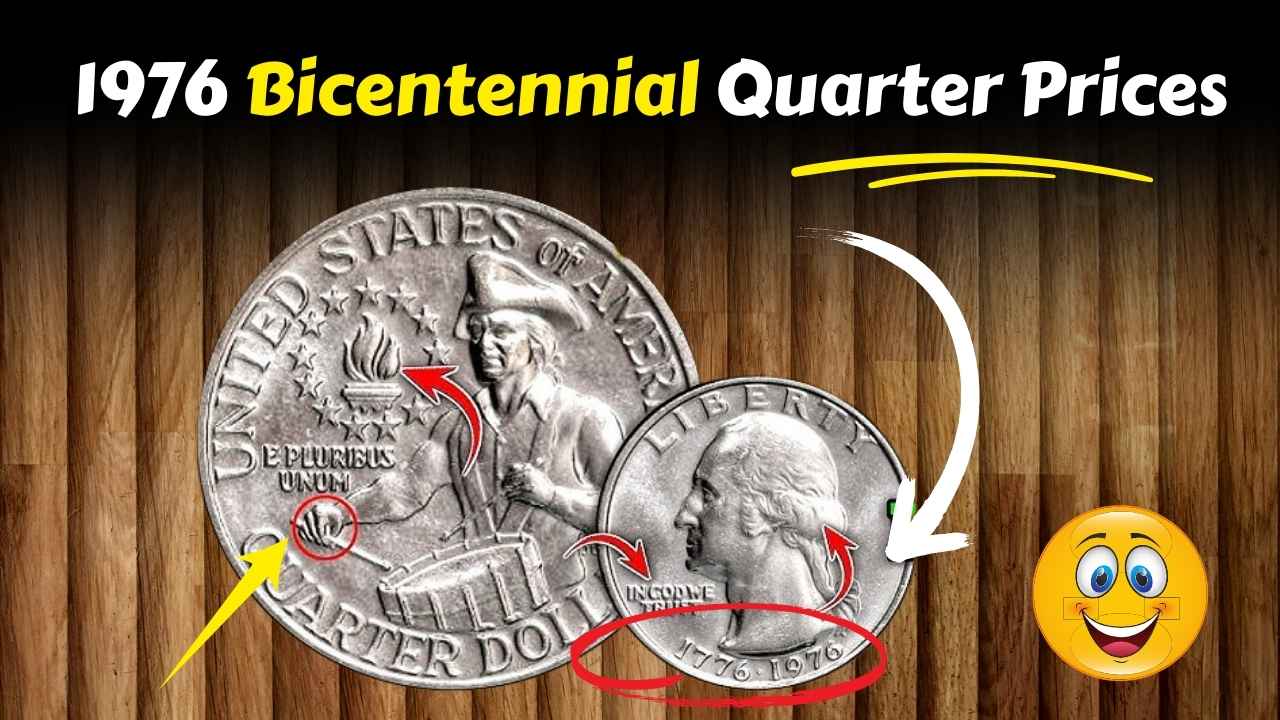
1976 Bicentennial Quarter Prices: The 1976 Bicentennial Quarter remains one of the most recognizable and celebrated coins in American history. Released to honor the 200th anniversary of the signing of the Declaration of Independence, this special coin captures a moment of national pride and continues to attract collectors today. While millions were minted, certain versions of the Bicentennial Quarter hold surprising value. Many people still have these coins tucked away in jars or pocket change without realizing they could be worth far more than twenty-five cents. This guide explores the types, values, and key features that make some Bicentennial Quarters unique and collectible.
The Story Behind the Bicentennial Quarter
In the early 1970s, the United States Mint began planning for the nation’s bicentennial celebration. Instead of issuing a commemorative coin alongside the regular circulating series, the Mint decided to temporarily replace the reverse designs of the quarter, half dollar, and dollar. For the quarter, the traditional eagle design was replaced with a colonial drummer, symbolizing the spirit of revolution and independence. The obverse retained George Washington’s portrait, but the date was changed to 1776-1976 to mark the bicentennial period. These coins entered circulation in 1975 and 1976, and no quarters bearing the year 1975 were issued.

Millions of these coins circulated widely, making them a common find even today. Still, certain mint marks, strike types, and materials distinguish the more valuable examples.
Types of Bicentennial Quarters
Not all Bicentennial Quarters are equal in value. The United States Mint produced several variations, each with its own characteristics. Understanding the differences helps collectors recognize which coins may be worth a premium.
Philadelphia Mint Circulation Strike
The Philadelphia Mint produced the largest number of Bicentennial Quarters. These coins do not carry a mint mark and were intended for everyday use. Most of them, even when found in decent condition, hold only face value. However, coins with exceptional eye appeal or those preserved in superb uncirculated condition can command higher prices among collectors.
Denver Mint Circulation Strike
The Denver Mint struck a similarly high number of Bicentennial Quarters, marked by a small D on the obverse. Like their Philadelphia counterparts, circulated examples are usually common. Coins with sharp details, minimal wear, or original mint luster may be worth more, especially in high-grade uncirculated condition.
San Francisco Mint Proof and Silver Proof
San Francisco produced proof coins intended for collectors. These coins feature a mirror-like finish with sharp details. Some were made from a copper-nickel clad composition, while others were struck in a 40 percent silver alloy. Silver proof Bicentennial Quarters are especially prized. Their silver content alone gives them a base value higher than face value, and pristine examples can sell for significantly more.
40 Percent Silver Uncirculated Bicentennial Quarters
Apart from proof coins, the Mint also issued special silver uncirculated sets that included a silver quarter. These coins were not released into general circulation. Their unique composition and cleaner strikes make them far more desirable than standard clad quarters.
How to Identify Valuable Bicentennial Quarters
Collectors often look for certain features that can set a valuable Bicentennial Quarter apart from the rest. Understanding these traits can help you determine whether your coin may be worth more than pocket change.
Condition and Grading
The condition of a coin is one of the biggest factors influencing value. Coins are graded on a scale from 1 to 70. High-grade uncirculated quarters, especially those graded above MS65, become increasingly valuable. Proof coins with deep cameo contrast or flawless surfaces also command premium prices.

Mint Marks
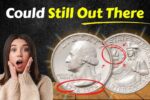
The mint mark can be found on the obverse, to the right of Washington’s ribbon. Coins from San Francisco often hold more value, especially silver proofs. While Philadelphia and Denver coins are generally common, exceptionally preserved examples with strong strikes are more desirable.
Silver Content
Any Bicentennial Quarter containing 40 percent silver is worth more than face value simply due to its metal content. Prices rise further when these coins remain in mint or proof condition.
Errors and Varieties
Some Bicentennial Quarters contain minting errors that increase their value. These may include double dies, off-center strikes, missing clad layers, or other anomalies created during production. Such errors can transform an ordinary quarter into a valuable collectible.
Value Ranges for Bicentennial Quarters
The typical circulated Bicentennial Quarter holds face value, but many others fall into the collectible category. While prices fluctuate based on condition and demand, general value ranges can be helpful for identifying potential worth.

A circulated Philadelphia or Denver Bicentennial Quarter usually ranges from face value to a few dollars when in extremely fine condition. Uncirculated examples from these mints often bring in modest premiums, especially when graded MS65 or higher. Prices for high-grade examples can increase significantly beyond this, depending on eye appeal.
Proof Bicentennial Quarters from San Francisco typically start around a few dollars for standard clad proofs. Silver proof quarters generally hold higher values, with prices rising for coins exhibiting deep cameo contrast or pristine surfaces. Uncirculated silver quarters from the special mint sets carry value both for their collectible nature and their silver content.
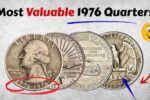
Error Bicentennial Quarters vary widely in value, depending on the type and severity of the error. A dramatic misstrike, double die, or missing layer can raise the price substantially, and collectors often pay premium amounts for unusual or rare examples.
Finding Bicentennial Quarters Today
One of the most exciting aspects of collecting Bicentennial Quarters is that valuable examples are still out there. These coins continue to appear in circulation, coin rolls, estate collections, and old coin jars. Checking pocket change or searching through collected coins can reveal unexpected treasures. Many collectors also find Bicentennial Quarters at flea markets, antique shops, and garage sales.
If you are intentionally searching for high-quality or rare Bicentennial Quarters, consider visiting reputable coin dealers or attending coin shows. Professional graders can also evaluate your coins for authenticity and condition, helping you understand their true market value.
Should You Save Bicentennial Quarters?
Even though many Bicentennial Quarters remain common, they hold historical significance and continue to be popular among collectors. Keeping them is worthwhile, especially if they are in excellent condition or part of a complete set. Silver versions, proof coins, and error varieties should always be set aside, as they have strong collector appeal and long-term value potential.
Conclusion
The 1976 Bicentennial Quarter stands as a lasting tribute to America’s independence and a symbol of national pride. While millions were minted, not all are equal in value. Silver versions, high-grade uncirculated examples, proof coins, and error varieties can still be found and may be worth far more than twenty-five cents. Whether you discover one in spare change or decide to search intentionally, the Bicentennial Quarter remains an accessible and exciting collectible for both beginners and seasoned enthusiasts.
Disclaimer
The prices and information provided in this article are for general educational purposes only. Coin values vary widely based on condition, demand, and market changes. For accurate appraisals or detailed assessments, consult a professional coin dealer or certified numismatist.