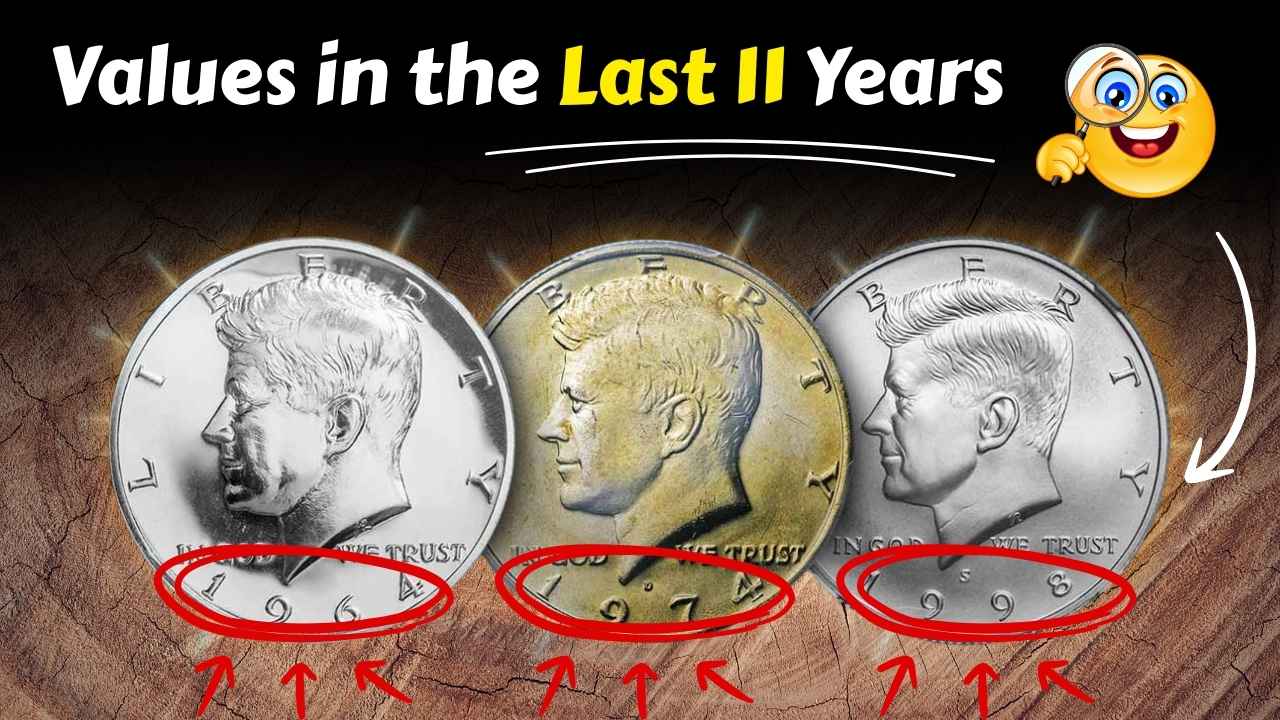
Wheat Penny Values in the Last 11 Years: The Lincoln Wheat Penny has remained one of the most admired and sought-after coins in American numismatics. First minted in 1909 to celebrate the 100th anniversary of Abraham Lincoln’s birth, the Wheat Penny continues to capture collectors with its classic design and historical charm. Over the last eleven years, interest in these coins has steadily grown, and so have their values. Whether you are starting a collection or hoping to understand what makes certain dates stand out, knowing how Wheat Penny values have changed is essential.
What Makes Wheat Pennies Popular
Wheat Pennies appeal to collectors because they are easy to identify and represent a piece of early twentieth-century American history. The design features Lincoln on the obverse and two wheat stalks on the reverse, symbolizing prosperity. Even though millions were produced, many have become scarce due to circulation, melting, or simple wear. The simplicity of the series, combined with key dates and rare mint errors, keeps collectors engaged decade after decade.

How Market Trends Have Shifted Over the Last 11 Years
In the past decade, coin collecting has seen renewed popularity. More collectors have entered the hobby, online marketplaces have expanded, and rare coins have sold for record prices. Wheat Pennies have benefited enormously from this rise in demand. While common dates have only experienced modest increases, key dates and high-grade examples have seen significant jumps in value. The market shift has especially favored coins with strong eye appeal, sharp strikes, and original color.
Key Dates That Have Shown the Largest Value Increase
Not all Wheat Pennies are equal. Some dates have become standout performers in the last eleven years due to scarcity and collector interest. A few of the most notable include:

1909 S VDB
This coin remains the superstar of the Wheat Penny collection. With only a limited number minted, its value has consistently climbed. While good-condition examples were already expensive a decade ago, high-grade versions today can bring in many thousands of dollars. The combination of rarity, controversy, and historical intrigue keeps the S VDB in constant demand.
1914 D
This date is another major key and has shown steady value growth. Low-grade coins remain challenging to find without heavy wear, and high-grade examples are even rarer. Many coins from this year were struck weakly, which makes collectors even more eager to find sharp, well-preserved pieces.

1922 No D
This variety has fascinated collectors for years. Produced when one of the Denver Mint dies was overused, the missing mintmark made it a valuable error. Over the last decade, values for strong strike examples have grown significantly, especially for coins certified by trusted grading companies.

1931 S
Though not as rare as the earlier keys, the 1931 S Wheat Penny remains a semi-key date with solid price appreciation. Its value increase has been steady rather than dramatic, but it remains a reliable choice for collectors aiming to build a strong set.
How Condition Affects Wheat Penny Values
No factor influences a Wheat Penny’s value more than its condition. Even common dates can be worth several times their face value when found in exceptional shape.
Circulated Pennies

Coins that show obvious signs of use are considered circulated. These may still hold value, especially if they are from a key year, but they typically fall on the lower end of the price scale.
Uncirculated Pennies

An uncirculated Wheat Penny shows no signs of wear, though it may have minor contact marks from the minting process. These coins have seen the strongest appreciation in value over the last eleven years, especially those with strong luster.
Red, Red-Brown, and Brown Grades
Collectors also consider a coin’s color. Freshly minted Wheat Pennies have a bright red tone. Over time, they shift to red-brown and eventually brown. Red coins are the most valuable, followed by red-brown, and then brown. Over the last decade, red examples of rare dates have become especially competitive at auctions.
Understanding Mint Errors and Varieties
Mint errors have always fascinated collectors, and their values have seen steady increases. Some errors that have gained attention include:
Die Cracks
These appear as raised lines on the coin’s surface. Not all are valuable, but dramatic cracks can draw collector interest.
Off-Center Strikes
Coins struck out of alignment can be worth several times more than regular examples, especially when the date is still visible.
Repunched Mintmarks
Known as RPMs, these varieties occur when the mintmark is struck more than once in different positions. Over the past decade, collectors have become more enthusiastic about acquiring rare and dramatic RPMs.
The Role of Coin Grading in Rising Values
Professional grading has played a major part in the value increases seen over the last eleven years. Coins graded by reputable companies like NGC or PCGS carry more trust, which means collectors are willing to pay more for them. High-grade Wheat Pennies, especially those in MS65 or higher, have seen the greatest price jumps. Certifying a coin can be worthwhile if it is rare or in exceptional condition, but common worn coins typically do not need certification.
Where Collectors Have Been Buying and Selling
Online marketplaces have changed the way collectors interact with Wheat Pennies. Platforms like auction sites, numismatic forums, and dedicated coin-selling platforms have increased competition and visibility. This has contributed to rising values, especially for coins with strong certification and clear photos. Offline, coin shows and local dealers remain essential for collectors seeking trusted relationships and the ability to inspect coins in person.
Tips for New Collectors Entering the Market
New collectors should start by learning the basics. Understanding dates, mintmarks, and condition can help avoid costly mistakes. Building a set slowly and focusing on quality over quantity will create a more valuable collection in the long run. It’s also wise to purchase from reputable sellers and look for coins that have been properly stored.
Final Thoughts
The last eleven years have been strong for Wheat Penny collectors. Values for key dates and high-grade examples have risen steadily, and interest in rare varieties continues to grow. While not every Wheat Penny is valuable, the series offers plenty of opportunities for both new and experienced collectors. With patience, knowledge, and careful buying, collectors can build a set that not only holds historical charm but may also continue to appreciate in value over time.
Disclaimer
This article is for informational purposes only. Coin values can vary widely based on market trends, grading accuracy, and individual seller pricing. Prices mentioned reflect general patterns over the past decade and are not guarantees of current value. Always consult a professional coin dealer or certified numismatist before buying, selling, or appraising collectible coins.